
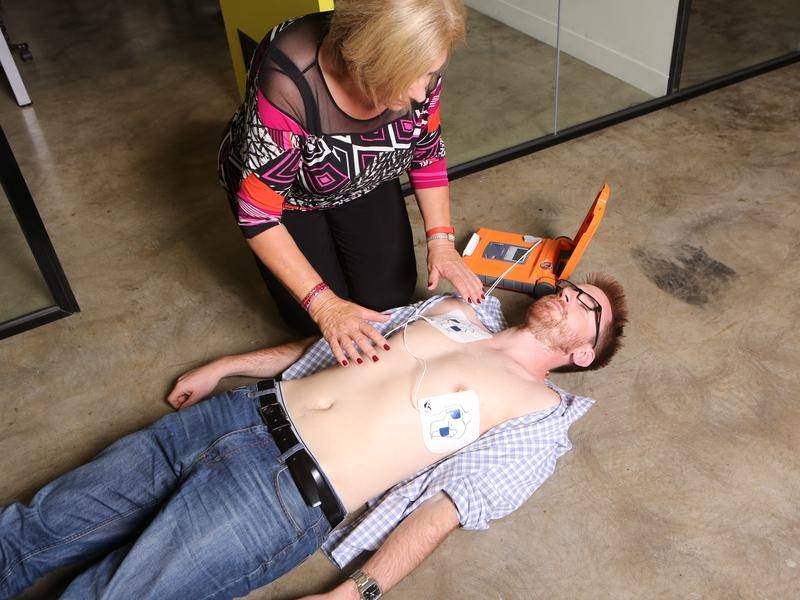
South Australia has taken a significant step toward improving public safety by mandating the installation of Automated External Defibrillators (AEDs) in key locations. With cardiac arrest being one of the leading causes of sudden death, this legislation aims to provide life-saving access to defibrillators in public and commercial spaces — including warehouses, factories, and large business facilities.
The Automated External Defibrillators (Public Access) Act 2022 requires AEDs to be installed in specific types of buildings and facilities across South Australia. The law is rolling out in two phases:
Under the new law, defibrillators must be installed in locations where large numbers of people gather, including:
For businesses and warehouses, this means proactively installing AEDs to ensure compliance and workplace safety. Any commercial building exceeding 1,200 sqm must have multiple AEDs, with at least one for every additional 1,200 sqm.
Businesses failing to comply with the AED mandate face penalties of up to $20,000 in fines. Intentional tampering, removal, or destruction of a defibrillator is also a criminal offense, punishable by fines of up to $10,000 or imprisonment of up to one year.
Warehouses and industrial workplaces present higher risks due to the physical nature of work, exposure to machinery, and stress factors. Having an AED on-site significantly increases the survival rate of sudden cardiac arrest victims, especially in environments where emergency medical response times may be delayed due to remote locations.
Selecting the best defibrillator for your business or warehouse depends on several factors:
To prepare your business for the new legislation:
This new mandate is a game-changer for workplace safety in South Australia, particularly for businesses operating in warehouses and industrial environments. Having an AED on-site is no longer optional— it’s a legal requirement that could save lives.
Ensure your business is prepared by installing defibrillators ahead of the deadline and educating your staff on how to use them effectively.
For expert guidance on selecting the right defibrillator for your business, visit Defibrillators Australia today. We provide industry-leading AEDs and professional advice to help you stay compliant and protect your workforce.